

Duration
4 years
Starting Date
January, August
Tuition Fee
$36,604 per year
Location
Baltimore, MD, United States
About the program
The program awards an ABET-accredited Bachelor of Science in Engineering (B.S.E.) degree, blending fundamental principles of solid mechanics, fluid dynamics, and thermodynamics with modern engineering tools. Undergraduates develop hands-on technical proficiency through lab experimentation, computer-aided design (CAD), finite element analysis, and rapid prototyping in machine shops and maker spaces. Students gain applied research and industry experience through faculty-led projects in biomechanics, robotics, energy systems, and advanced manufacturing, as well as competitive engineering design teams and industry co-ops.
Mathematics Students progress through a structured foundational sequence in calculus, linear algebra, differential equations, and introductory proofs before selecting upper-level specialized tracks. Coursework explores core domains such as real analysis, abstract algebra, numerical analysis, probability, and complex variables. High-achieving undergraduates can take advantage of an accelerated B.S./M.S. pathway, allowing eligible students to begin taking graduate-level mathematics coursework that fulfills requirements for both their bachelor’s and master’s degrees in Applied Mathematics.
Graduates are prepared for quantitative and analytical roles across technology companies, financial firms, defense contractors, government research labs, and actuarial agencies. Typical job titles include data analyst, quantitative strategist, operations research analyst, actuarial assistant, software engineer, and high school mathematics educator. The program also provides exceptional preparation for graduate study in pure or applied mathematics, statistics, data science, economics, operations research, and engineering.
Courses Included:
- Calculus I, II, and III
- Linear Algebra
- Introduction to Mathematical Reasoning
- Introduction to Differential Equations
- Advanced Calculus (Real Analysis)
- Introduction to Abstract Algebra
- Computational Mathematics
- Applied Probability
Other interesting programs
-
-

Artificial Intelligence, M.S.
- UMBC’s Master of Science (M.S.) in Artificial Intelligence provides an advanced pathway beyond a general computing degree. Housed within the…
UMBC’s Master of Science (M.S.) in Artificial Intelligence provides an advanced pathway beyond a general computing degree. Housed within the Department of Computer Science and Electrical Engineering (CSEE), the STEM-designated program focuses on the foundational, computational, and applied dimensions of intelligent systems.
-
-
-
Art History and Museum Studies, B.A.
- The Art History and Museum Studies concentration in UMBC’s Department of Visual Arts explores the history of world art as…
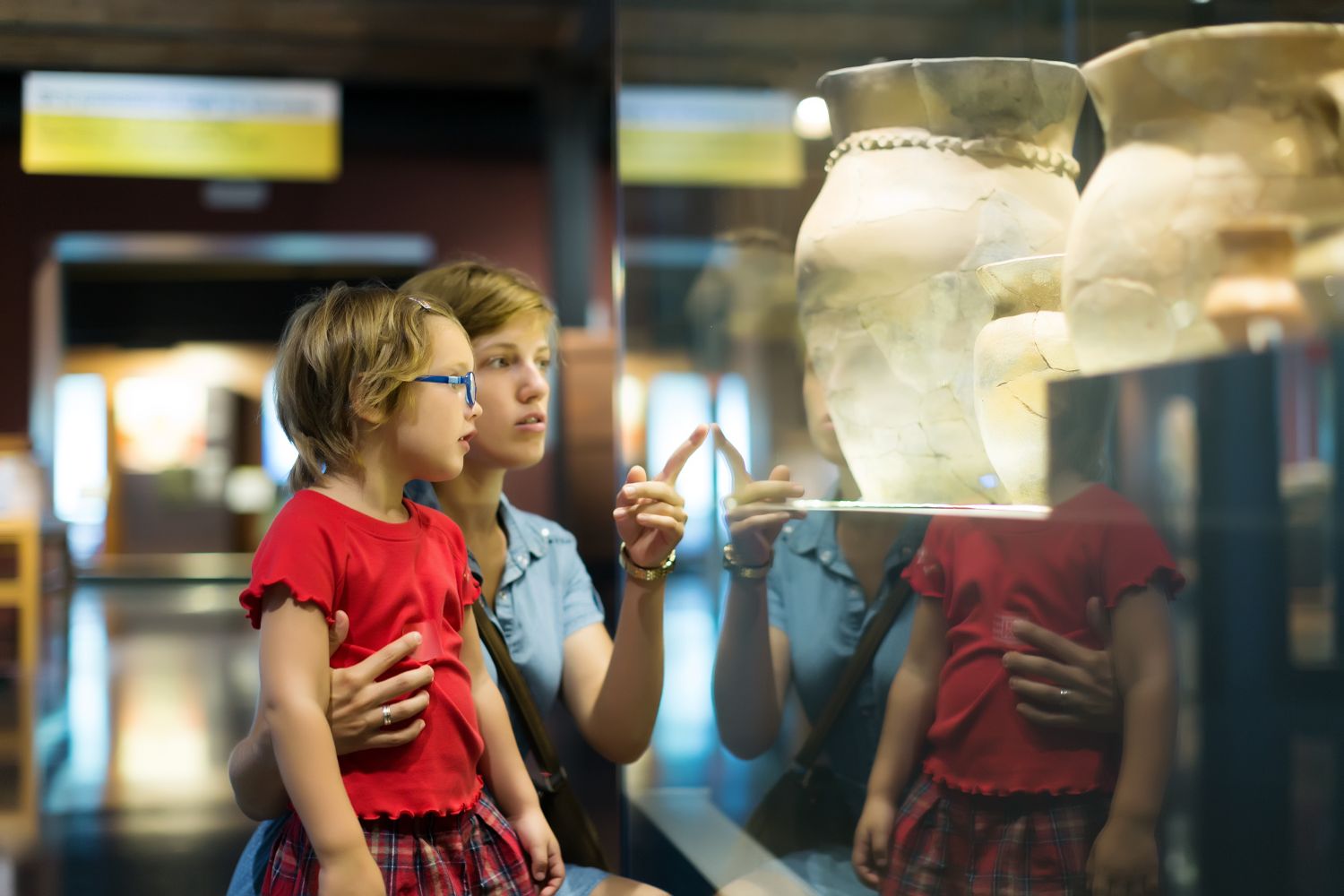
The Art History and Museum Studies concentration in UMBC’s Department of Visual Arts explores the history of world art as a visual record of human culture, connecting traditional art forms with 20th- and 21st-century developments in photography, film, video, graphic design, and computer art.
-
-
-

Cinematic Arts, B.A.
- The Cinematic Arts concentration in UMBC’s Department of Visual Arts pairs rigorous hands-on digital film production with fine-arts theory, equipping…
The Cinematic Arts concentration in UMBC’s Department of Visual Arts pairs rigorous hands-on digital film production with fine-arts theory, equipping students with both technical expertise and conceptual depth.
-
-
-

Information Systems, B.S.
- Bridging computer science with administrative leadership, the Information Systems program at UMBC focuses on how technology, organizations, and people intersect…
Bridging computer science with administrative leadership, the Information Systems program at UMBC focuses on how technology, organizations, and people intersect to solve modern business challenges.
-
-
-

Mathematics, B.S.
- Mathematical inquiry at UMBC ranges from pure theoretical discovery to computational modeling of complex physical, biological, and economic systems.
Mathematical inquiry at UMBC ranges from pure theoretical discovery to computational modeling of complex physical, biological, and economic systems.
-
-
-

Statistics, B.S.
- UMBC’s Statistics program equips students with the mathematical foundation and computational tools to uncover meaningful insights from complex datasets.
UMBC’s Statistics program equips students with the mathematical foundation and computational tools to uncover meaningful insights from complex datasets.
-
-
-
Actuarial Science, B.S.
- The undergraduate programs of the Department of Mathematics and Statistics offer an area of specialization in Actuarial Science as an…
The undergraduate programs of the Department of Mathematics and Statistics offer an area of specialization in Actuarial Science as an option.
-
-
-

Chemical Engineering, B.S.
- UMBC’s Chemical Engineering program prepares students to transform molecular-level concepts into large-scale industrial technologies. Housed within the Department of Chemical,…
UMBC’s Chemical Engineering program prepares students to transform molecular-level concepts into large-scale industrial technologies. Housed within the Department of Chemical, Biochemical, and Environmental Engineering (CBEE), the program awards an ABET-accredited Bachelor of Science (B.S.) degree. Undergraduates gain rigorous theoretical knowledge and hands-on laboratory experience, analyzing physical, chemical, and biological processes to design efficient, safe, and sustainable systems. Students actively engage in faculty-led research in state-of-the-art laboratories, focusing on cutting-edge fields such as biomanufacturing, biosensors, nanomaterials, air quality, and renewable energy technologies.
-
-
-
Marine, Estuarine and Environmental Sciences, M.S.
- Marine Estuarine Environmental Sciences (MEES) is an interdisciplinary, inter-institutional, statewide graduate program within the University System of Maryland (USM) whose…
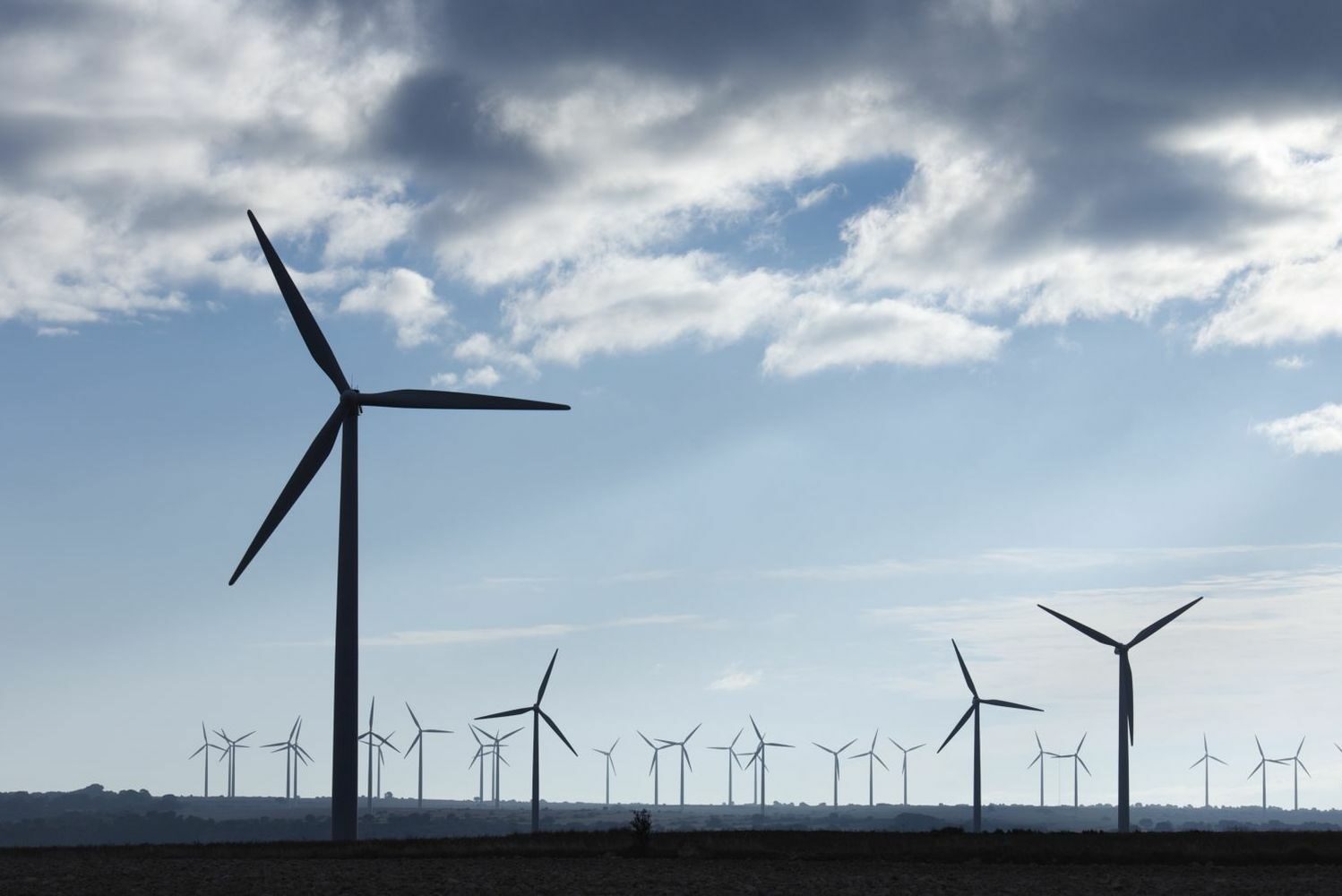
Marine Estuarine Environmental Sciences (MEES) is an interdisciplinary, inter-institutional, statewide graduate program within the University System of Maryland (USM) whose mission is to educate students to become the scientific leaders and problem-solvers of the future.
-
-
-

Cybersecurity, M.S.
- UMBC’s Master of Science (M.S.) in Cybersecurity is designated by the National Security Agency (NSA) and the Department of Homeland…
UMBC’s Master of Science (M.S.) in Cybersecurity is designated by the National Security Agency (NSA) and the Department of Homeland Security (DHS) as a National Center of Academic Excellence in Cyber Research (CAE-R).
-
-
-

Applied Sociology, M.A.
- UMBC’s Master of Arts (M.A.) in Applied Sociology equips graduate students with the analytical skills and theoretical frameworks necessary to…
UMBC’s Master of Arts (M.A.) in Applied Sociology equips graduate students with the analytical skills and theoretical frameworks necessary to analyze and address real-world social issues.
-
-
-

Geographic Information Systems M.P.S.
- UMBC’s Master of Professional Studies (M.P.S.) in Geographic Information Systems (GIS) provides advanced technical and theoretical training in spatial analysis,…
UMBC’s Master of Professional Studies (M.P.S.) in Geographic Information Systems (GIS) provides advanced technical and theoretical training in spatial analysis, web-GIS development, cartography, and spatial programming.
-